
15 Old School Dim Sum Spots In Hong Kong Where the Carts Still Roll


The dim sum trolley is disappearing from Hong Kong. Order forms and QR codes have replaced the rattle of steel carts in most dining rooms, and when Metropol Restaurant in Admiralty closed in September 2025 after 35 years, the city lost one of its best-known cart services. San Lung Shing Tea House in Ngau Chi Wan, the last squatter-hut tea house in the territory, announced its own closure in March 2026 after 65 years. What remains is a group of tea houses, banquet halls and village kitchens that still steam their dim sum in-house, still push it to the table or lay it out for you to collect yourself, and in some cases still open before dawn. This list covers fifteen of them, running from a Central tea house trading since 1933 to two self-service tea houses on the slope of Tai Mo Shan.
Lin Heung Lau - Sheung Wan
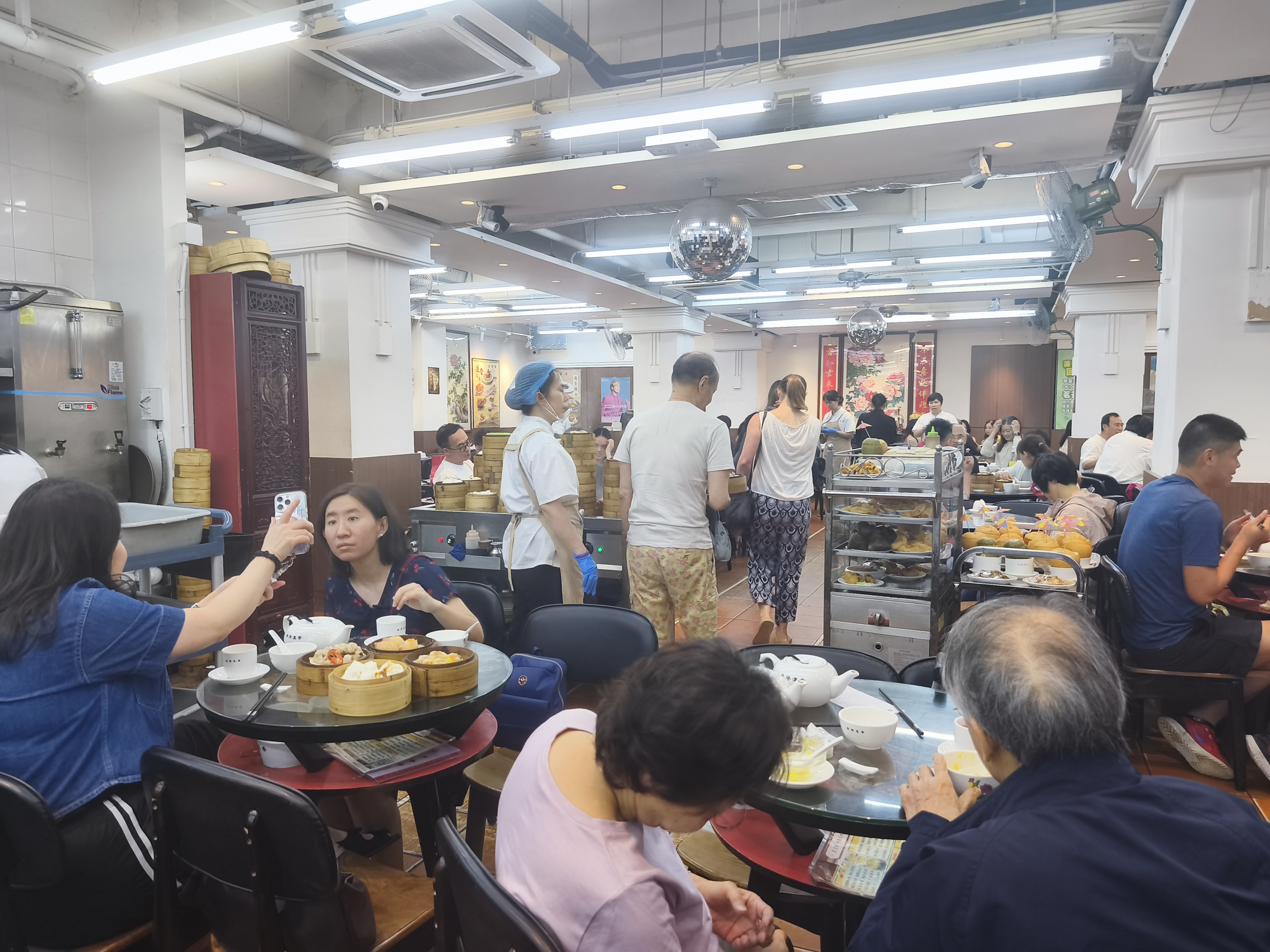
Hong Kong's most famous surviving tea house traces its name to the Guangzhou original of 1889, with the Hong Kong branch opening in 1927. In May 2026 it left its longtime Wellington Street home for Sheung Wan, and the rituals travelled with it: trolleys of bamboo steamers, gaiwan lidded teacups topped up with boiling water, the Guangzhou-style "one pot, two dishes" format, and a card stamped for each basket taken.
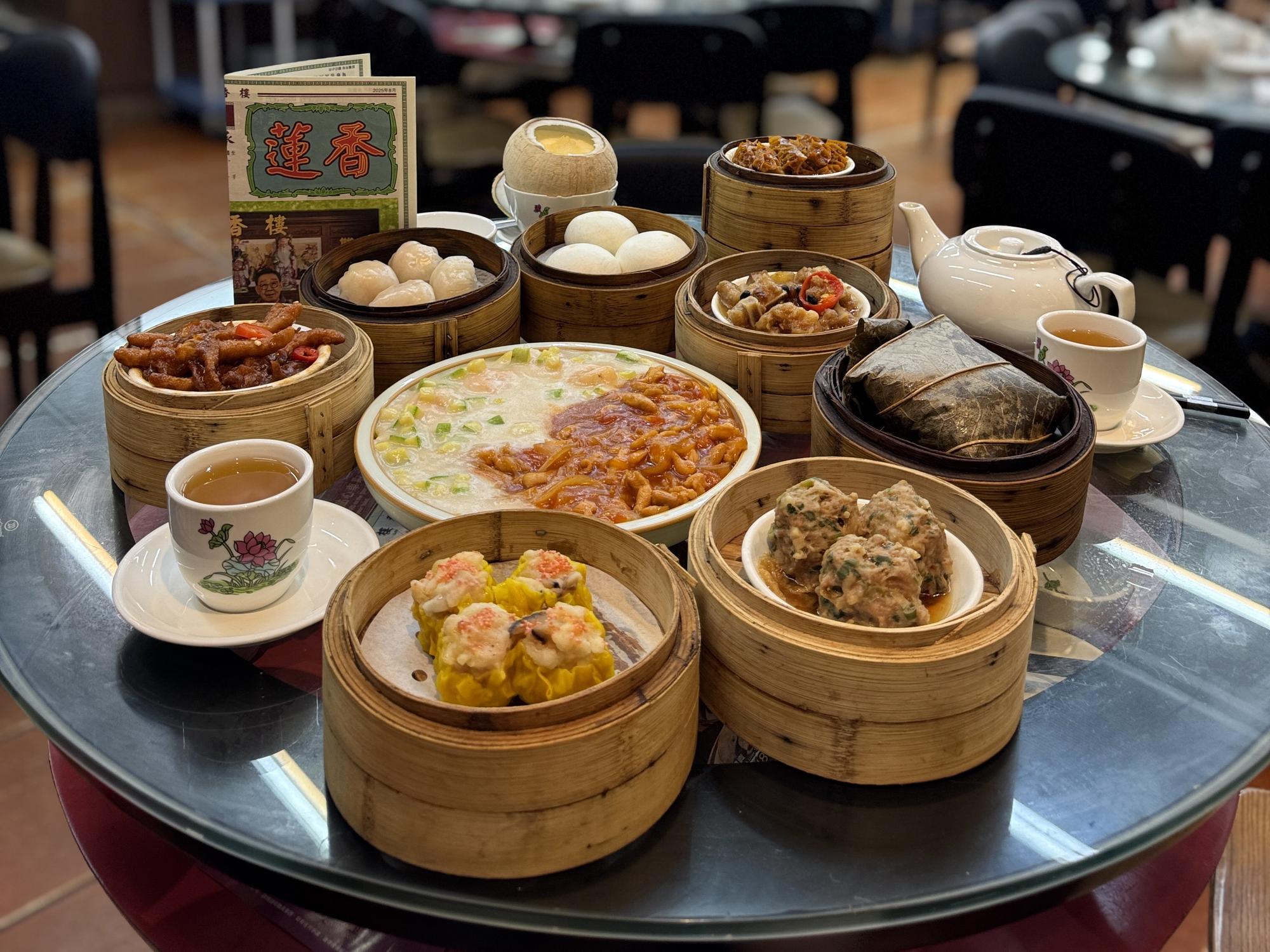
Must-try: Lotus seed paste bun, made with Hunan xiang lian lotus seeds and the dish the brand is named for; pig liver siu mai; pig tripe siu mai, braised soft before being folded into the pork filling; chicken feet in black bean and garlic sauce, fried before steaming; the oversized dai bao.
Luk Yu Tea House — Central
Founded in 1933 and in its Stanley Street premises since 1976, Luk Yu is the oldest restaurant in Hong Kong still trading. Much of the original fit-out came with it: black ceiling fans, sandalwood and mahogany furniture, stained glass, marble-topped booths and the brass spittoons once used for discarding cooled tea. The ground floor is unofficially the preserve of regulars, and waiters still work the room in white tunics.
Must-try: Pig liver siu mai, the house signature; the steamed jumbo chicken bun, brought whole and cut at the table, listed at about HK$66 in an April 2026 review; sautéed pigeon fillet with crispy Kam Wah ham; grouper toast. Tea is charged per head, around HK$42.
- Maxim's Palace — City Hall, Central
[photo]
Open since 1980, Maxim's Palace occupies most of a floor of Hong Kong City Hall, with floor-to-ceiling glass giving a wide view over Victoria Harbour. The room was designed without pillars so the trolleys could move freely, and the kitchen states it cooks without added MSG. No bookings are taken for dim sum, so arrive before service opens at weekends and draw a ticket at the entrance.
Must-try: Prawn cheung fun; beancurd skin rolls; the deep-fried taro pastry, worth flagging down as the cart passes; char siu pineapple buns; stir-fried cabbage with fermented tofu sauce; roast suckling pig from the à la carte menu.
Luk On Kui — Sheung Wan
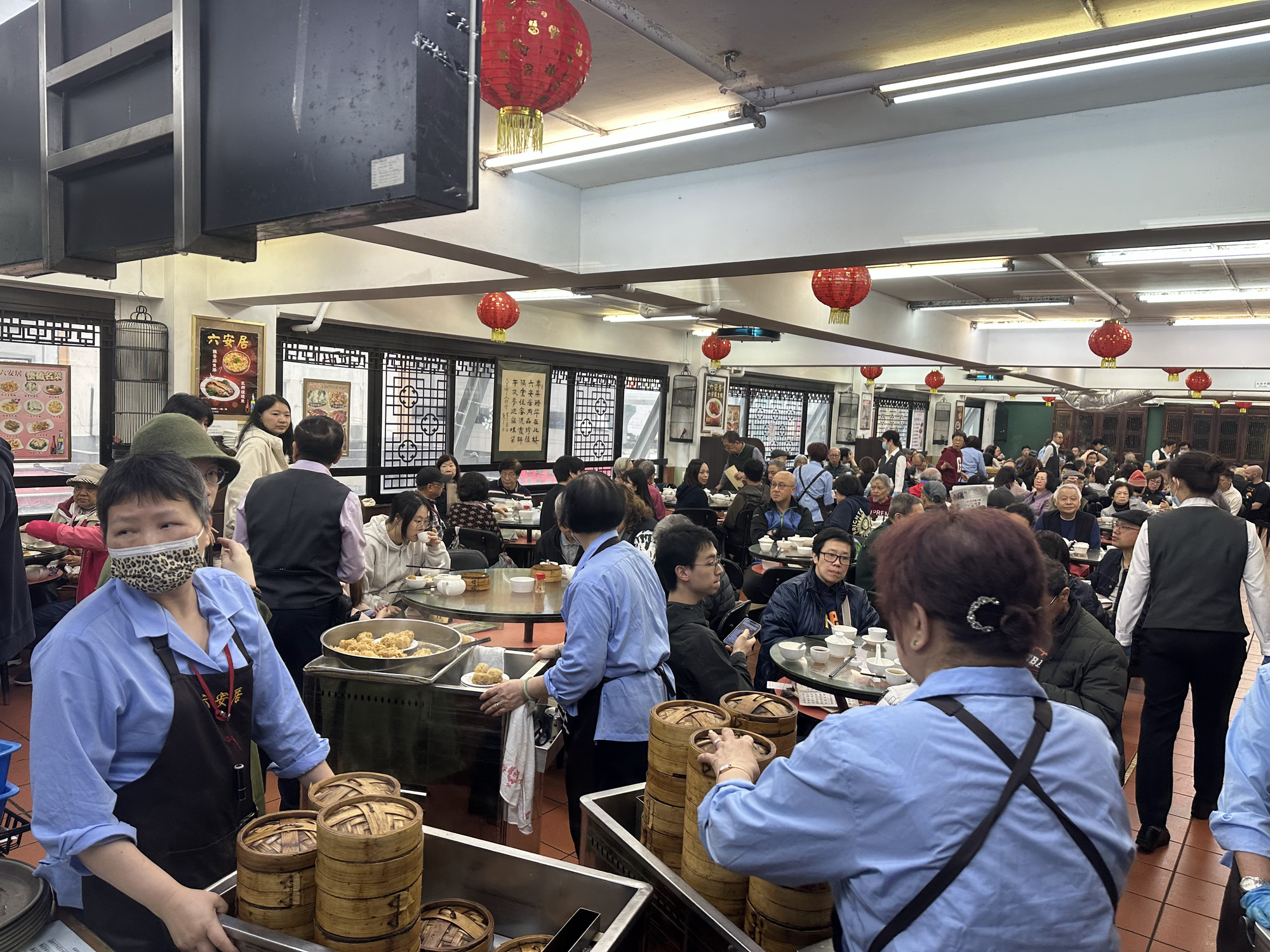
A direct descendant of the Lin Heung group, this Des Voeux Road West tea house took its current name in 2024 following a trademark issue, with the operating team unchanged. Raise a hand, the cart stops, and a staff member stamps your card. Regulars order tea by hand gesture rather than words, gaiwan cups are available on request, and shared tables are the norm.
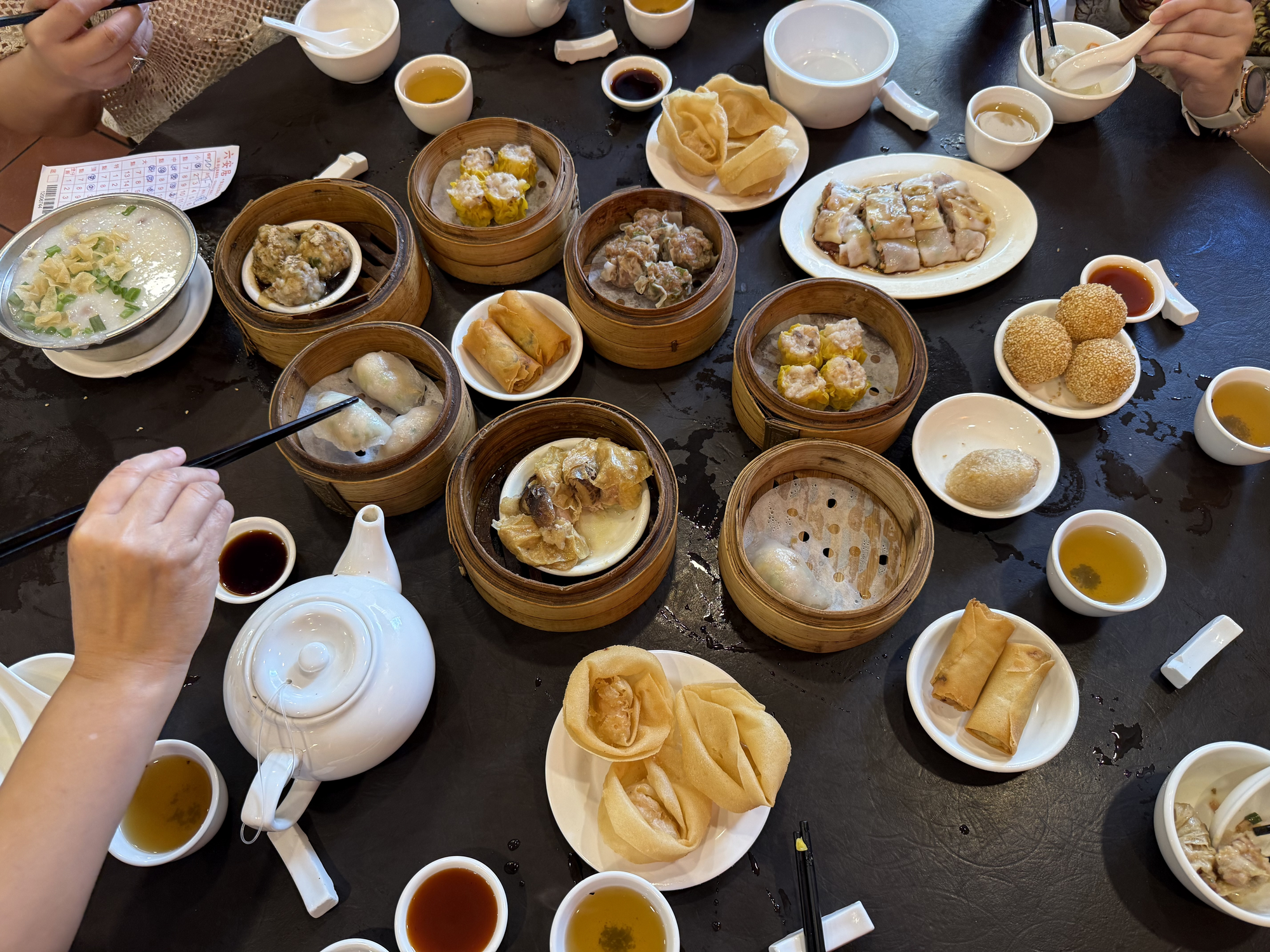
Must-try: Steamed beef balls on beancurd sheet, the listed house signature; pig tripe siu mai; honeycomb taro dumplings; steamed dace fish balls; prawn toast; the limited daily run of crispy roast goose and egg tarts; and the duck leg soup rice that mostly regulars know to ask for.
Sun Hing Restaurant — Kennedy Town
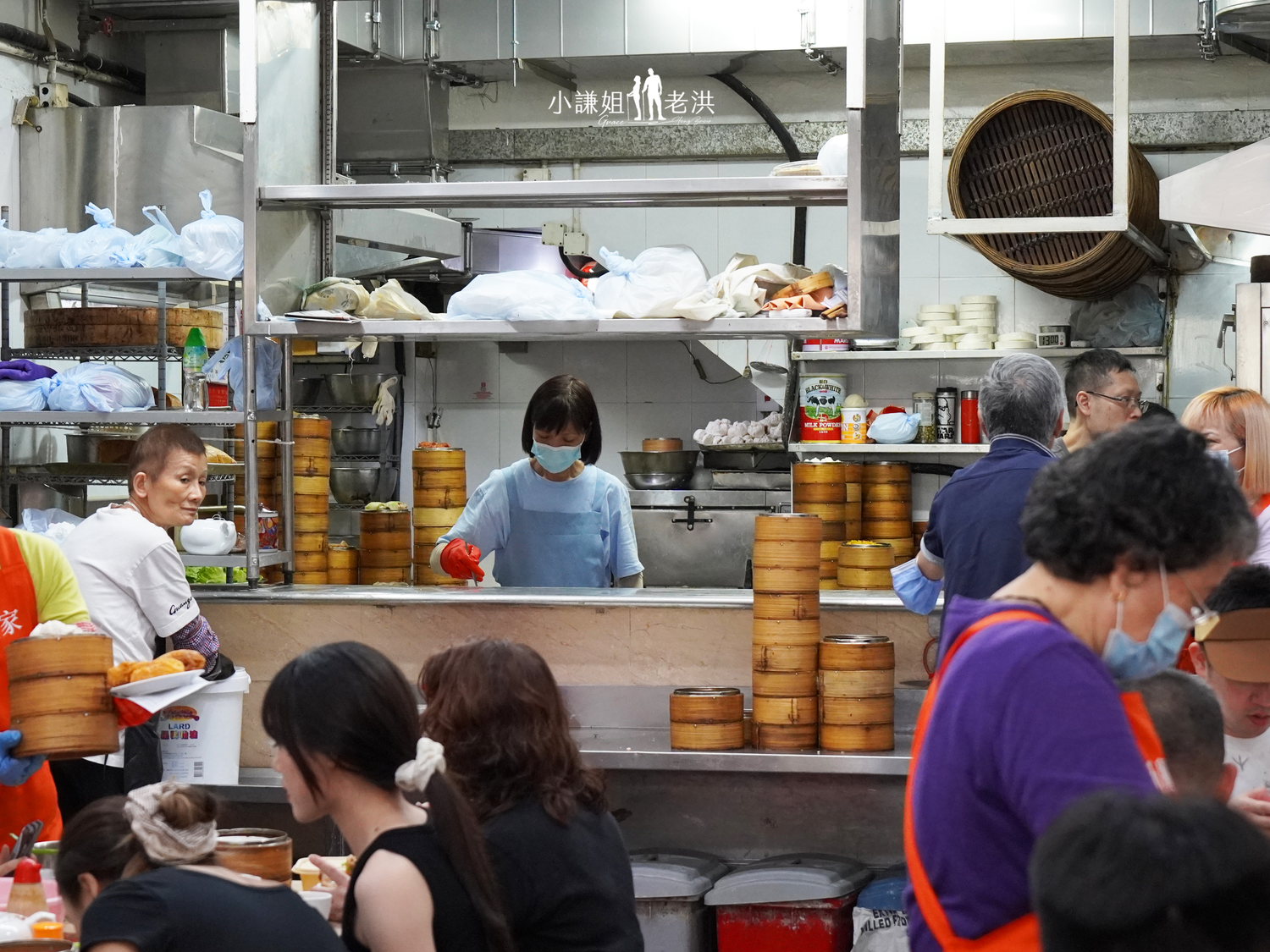
Opened by Chui Hoi in 1972 and now run by his son, Sun Hing unlocks at 3am every day, a holdover from the era when its customers worked overnight. Trolleys emerge from a small kitchen at the back and diners help themselves, marking their own order slips. Everything is made from scratch, and the room fills before sunrise with early risers, students and people coming off a night out.
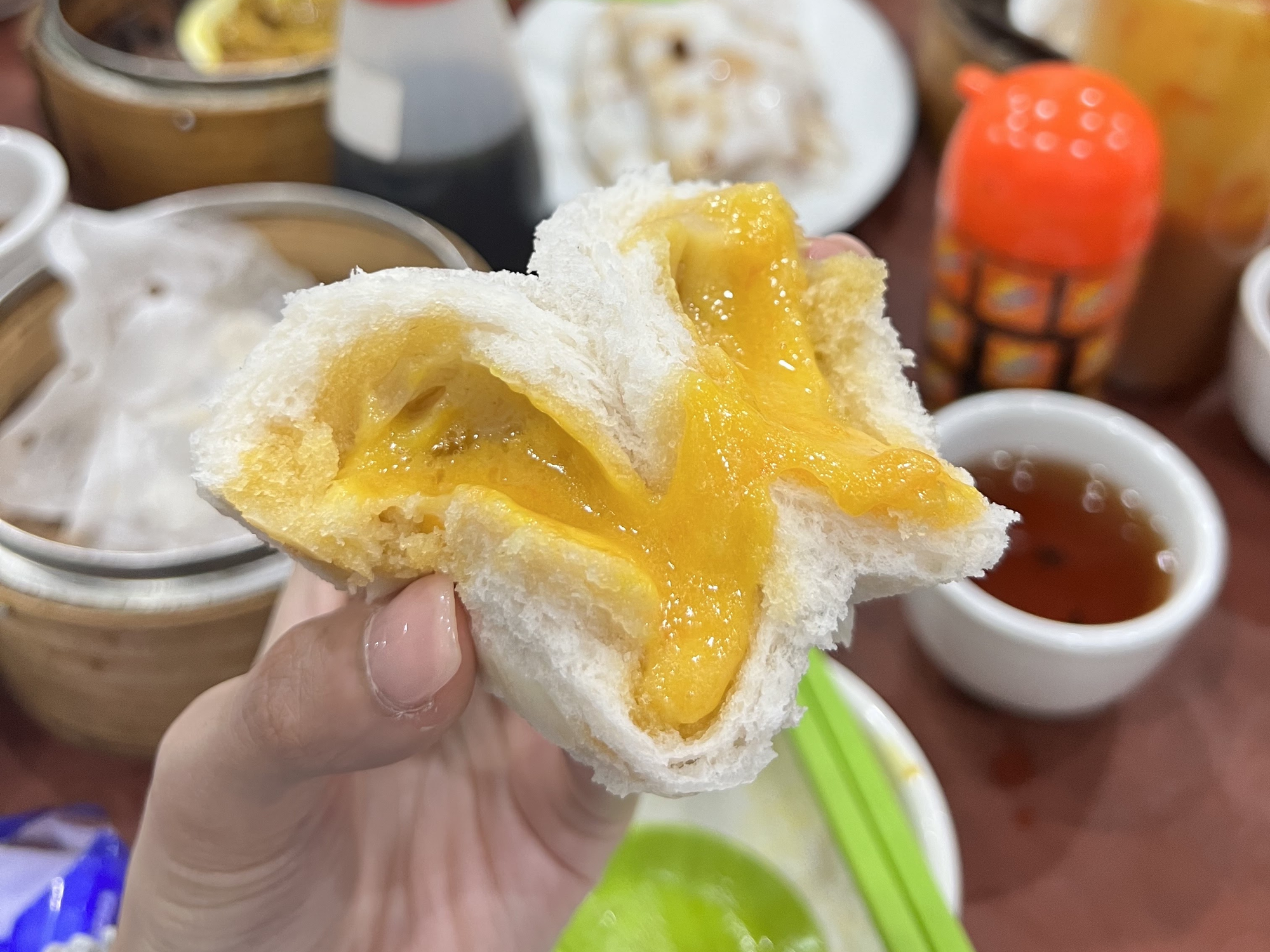
Must-try: The salted egg custard bun, which most regulars come for and which appears in fresh batches through the morning; quail egg siu mai; curried pig tripe; the four-treasures cabbage roll of crab stick, pig stomach, minced pork and dace fishcake; crispy fried milk.
- Fung Shing Restaurant — North Point
[photo]
Founded in 1954 by a chef-owner who brought Shunde cooking to Hong Kong, Fung Shing is a large, plainly decorated banquet room of the type that once filled every district. Tables sit close together, many of the floor staff have been there for years, and the kitchen is best known for techniques that take practice rather than plating. Dim sum runs through the morning and early afternoon, with Cantonese banquet dishes at night.
Must-try: Stir-fried milk in the Daliang style, a Shunde dish few kitchens outside the region attempt; crispy fried chicken; the house Fung Shing fried rice; prawn toast; and roast suckling pig, best ordered ahead.
- Kam Kong Restaurant — Mong Kok
[photo]
Founded in Guangzhou in 1909 and later established on Wellington Street, Kam Kong was revived by the Ngan family in 2025 after a 44-year absence, in an 8,000sq ft space in Mong Kok. The kitchen works to a no-pre-made policy: every item is made by hand each day by veteran chefs, then stacked into wooden steamers and wheeled out. Prices start from around HK$25.
Must-try: Fried taro dumplings and pork tripe siu mei, both rarely seen on carts now; superior soup dumpling; beef balls wrapped in caul fat; steamed beef patty with dried mandarin peel; and, from the "kung fu" dishes, pipa roast goose, golden coin chicken and boneless chicken with Jinhua ham.
- London Chinese Restaurant — Mong Kok
[photo]
Trading on Nathan Road since 1979, London runs one of the largest cart operations left in the city, with separate trolleys for steamed and fried items and a standing counter where diners can point at what they want. Prices drop before 11am, and later in the afternoon the room fills with regulars over tea, newspapers and mahjong.
Must-try: The coconut milk and bird's nest pudding, made in batches that sell out and the item most regulars return for, alongside the fried trolley's range.
- Lin Heung Lau — Tsim Sha Tsui
[photo]
The Lin Heung group's Kimberley Road branch opened in May 2025 across two floors and runs around the clock, which makes it the only place on this list where the carts are still moving at 4am. Alongside the trolleys there is an open steaming station where diners take baskets directly from the steamers, and separate carts for cheung fun and fried items. The fit-out follows the old model: wooden furniture, traditional teaware, hand-shaken drinks added at the front.
Must-try: Beef cheung fun from the dedicated rice roll cart; Chiu Chow steamed dumplings; fish maw and chicken roll; and the standard steamed range taken straight from the station rather than waiting for a cart.
- Central Restaurant — Sham Shui Po
[photo]
Approaching 60 years on Tai Po Road, Central Restaurant keeps its handwritten calligraphy notices at the door and its staff announcing each dish aloud as they push the carts through the hall. It is the least polished room on this list and the cheapest, and it draws a crowd that has been coming for decades.
Must-try: Roast pork belly buns, the signature; char siu pastry, best flagged down straight from the oven; har gow; the four-treasure chicken roll; and the salt-baked chicken the kitchen built its earlier reputation on.
- Hoi Lin Restaurant — Tsuen Wan
[photo]
Set inside Fuk Loi Estate, Hoi Lin is a neighbourhood tea house that opens at 5am and stops serving in the early afternoon. Its menus are handwritten using the numeral codes common in Hong Kong kitchens in the 1940s and 1950s, a system almost nobody still uses. Two or three varieties ride each round of the trolley, with fresh batches emerging steadily rather than sitting under a lamp.
Must-try: The black sesame roll, the item regulars single out; mala cake; char siu bao; and the bite-size shrimp dumplings, which come smaller than the standard har gow found elsewhere.
- Tuen Kee Chinese Restaurant — Chuen Lung, Tsuen Wan
[photo]
Halfway up Tai Mo Shan in Chuen Lung village, Tuen Kee has been trading for over 50 years, started by an indigenous villager who began by selling put chai ko and tea to passing hikers. Everything is self-service: find a seat, collect your own tea leaves and brew them with local mountain spring water, then take dim sum from the counter as fresh batches are announced over the PA. Two floors, with the upper one open to the hillside. It opens at 6am and closes at 2pm, and is shut on Mondays.
Must-try: The village-grown watercress, blanched and served plain, which is what Chuen Lung is known for; mountain-water tofu fa; har gow; siu mai; taro dumplings; lap cheung rolls; and the chicken dai bao.
- Choi Lung Restaurant — Chuen Lung, Tsuen Wan
[photo]
Chuen Lung's other tea house sits a short walk from Tuen Kee and runs the same self-service model: brew your own pot at the tea station, then collect steamed dim sum, blanched vegetables and cheung fun from the counters downstairs. The draw is the upstairs terrace, which looks out over the village and the hills, and the cheung fun made in front of you. Service starts at 6am and finishes mid-afternoon.
Must-try: Boiled watercress from the village plots; quail egg siu mai; sesame cheung fun; steamed pork ribs; and whatever comes out of the rice roll station while you are watching.
- Maxim's Palace — Sha Tin
[photo]
The Sha Tin Town Hall branch keeps the trolley service going in the New Territories, in a large hall attached to the town hall complex with windows over the civic plaza. It is quieter than the City Hall room and easier to get into, and it opens earlier, from 7.30am, which makes it a practical option for a weekday morning rather than a weekend queue.
Must-try: The Chinese pancake, cooked to order at the cart rather than pre-made; the standard steamed range from the trolleys; and the roast meats from the à la carte menu.
- Tai Wing Wah — Yuen Long
[photo]
Open since 1950 and run for years by a well-known Hong Kong food figure, Tai Wing Wah is the reference point for walled village cooking in the New Territories, serving the dishes of the Hakka and Wai Tau communities alongside a traditional dim sum service. The room is decorated in red and gold, tableware arrives to be rinsed with tea, and the ground floor sells house-made pastries and cured sausage.
Must-try: Pork lard soy sauce rice, brought with a bottle of lard and first-draw soy for you to mix yourself; Wai Tau five-flavour chicken; custard mala cake; cotton chicken; pig liver siu mai; and Hakka stuffed dace.
Where you go depends on what you want from the morning. Maxim's Palace at City Hall and Kam Kong are the easiest entry points, with space and a wide selection, and the Sha Tin branch is the calmer version. Luk Yu is the choice for the interiors and the rare menu items, Fung Shing for Shunde technique. Lin Heung Lau, Luk On Kui and London deliver the full trolley ritual, with the Tsim Sha Tsui branch the only one running overnight. For neighbourhood prices head to Central Restaurant or Hoi Lin, for a day out take the minibus to Tuen Kee or Choi Lung in Chuen Lung, for walled village cooking go to Yuen Long, and for dim sum before sunrise there is only Sun Hing.